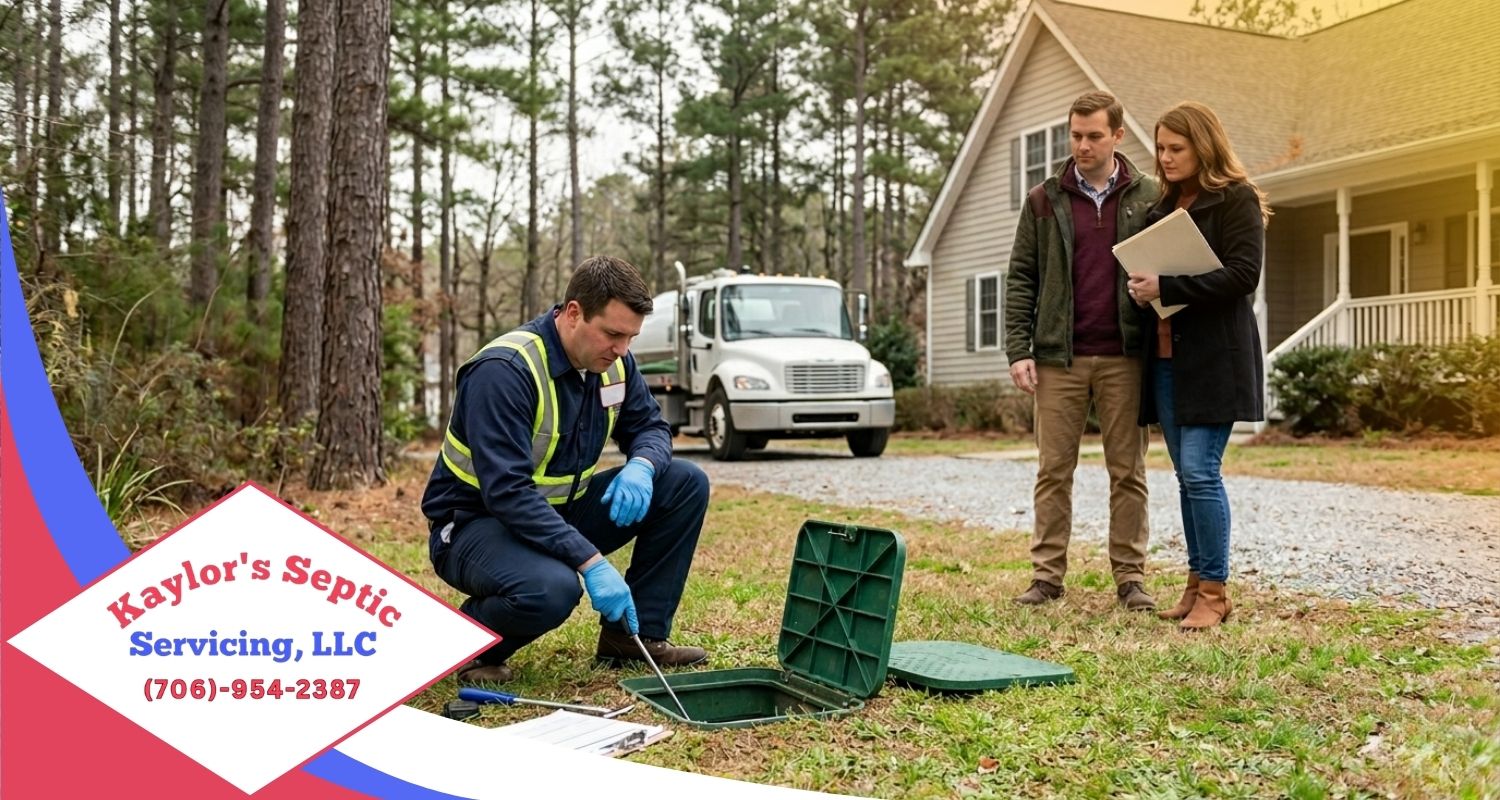
Septic Inspection Before Buying a Home in North Georgia: 9 Problems to Catch Before Closing
If you are under contract on a house with a septic system, a septic inspection before buying a home is not the place to cut corners. A nice kitchen, a fresh paint job, and a clean home inspection report do not tell you much about what is happening underground.
That matters in North Georgia, where many homes in Bartow, Cherokee, Cobb, Floyd, Gordon, Paulding, and Pickens Counties depend on septic systems instead of municipal sewer. If the septic system has been neglected, overloaded, patched badly, or left without routine service, the problem can become yours the day you close.
A smart septic inspection before buying a home gives you a chance to catch expensive issues before they become your responsibility. It also gives you better leverage while you are still in a position to ask for repairs, service records, pumping, or credits at the negotiating table.
Why a Septic Inspection Before Buying a Home Matters More in North Georgia
A septic inspection before buying a home matters in any market, but it matters even more when you are buying in an area where septic systems are common and property conditions can vary a lot from one lot to the next.
Soil conditions, age of the system, past maintenance, water use habits, landscaping, drainage patterns, and undocumented repairs can all change how a system performs. Two homes on the same road can have very different septic risks.
EPA’s homebuyer guidance is clear on the main point. If you are buying a property with septic, you should know what system is there, have it inspected before purchase, and review the available records before the sale is final. Georgia’s public health resources also treat onsite sewage as a regulated system with permits, inspections, manuals, and homeowner information — not as a hidden feature you are supposed to guess about. EPA homebuyer guide to septic systems and Georgia DPH onsite sewage resources both support taking the system seriously before closing.
That is the practical reason to do this early. A septic problem found before closing is a negotiation issue. A septic problem found after closing is your bill.
What a Septic Inspection Before Buying a Home Should Include
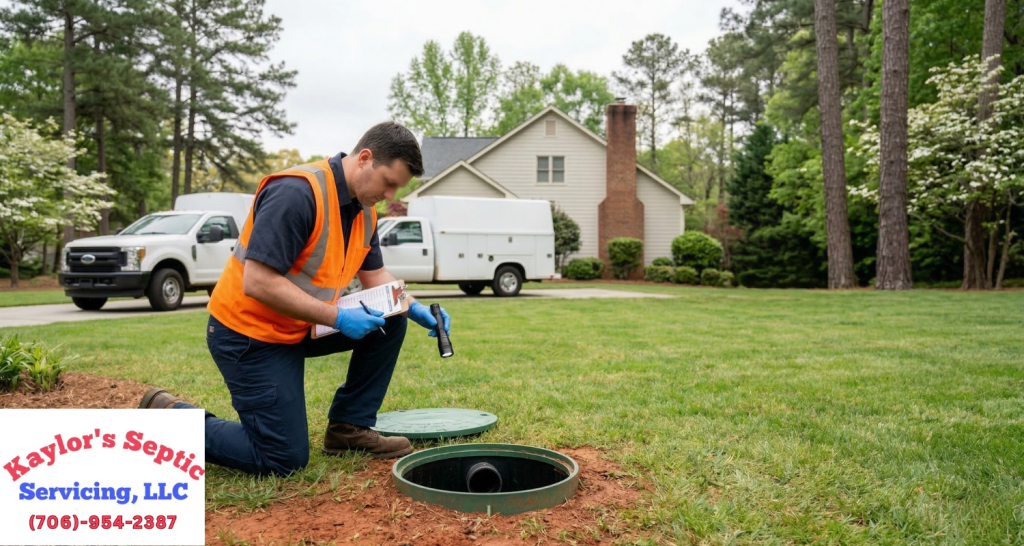
A good septic inspection before buying a home should not stop at a quick glance or a casual opinion from someone walking the yard.
You want the system looked at in a way that helps answer real buyer questions. Is the tank accessible. Are there signs of poor maintenance. Are the lines and drain field showing stress. Is there evidence of backups, leaks, odors, or overload. Does the property history match what the seller is saying.
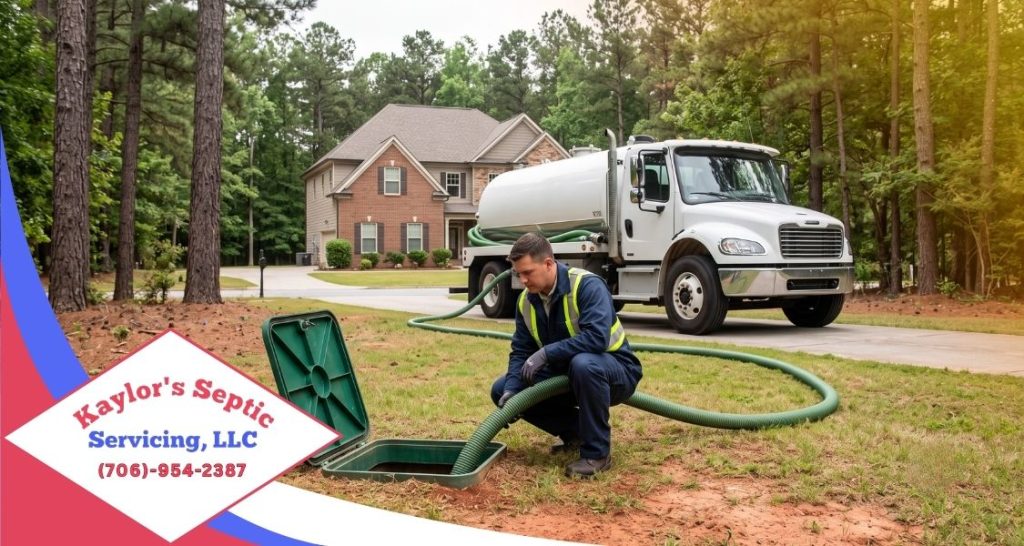
You also want to know whether routine service has been happening. Kaylor’s own service pages put that front and center. Their inspection and maintenance service is built around finding issues early, checking key components, and helping prevent bigger repair costs. Their septic tank pumping service also makes clear that solids build up over time and can lead to backups, odors, and system failure if pumping is ignored.
That means a real pre-purchase inspection should not just answer, “Does it flush today?” It should help answer, “What risk am I actually buying?”
9 Problems a Septic Inspection Before Buying a Home Can Catch
This is where a septic inspection before buying a home earns its value. The right inspection can uncover issues that a normal showing, a seller disclosure, or a surface-level walkthrough will miss.
1. A tank that is overdue for pumping.
One of the most common problems is simple neglect. If solids have built up too far because the tank has not been pumped on time, the system may already be under strain. You may not see a full backup during a showing, but that does not mean the system is healthy.
This is exactly why service history matters. If the seller cannot show when the tank was last pumped, that should not be brushed off. Routine pumping is basic ownership, not an optional extra.
2. Signs of slow drainage, backups, or internal plumbing stress.
Gurgling drains, sluggish fixtures, sewage odors, or backup history can point to deeper septic issues. Sometimes the problem is inside the line. Sometimes it is tank-related. Sometimes it points farther out toward the drain field.
Kaylor’s service line repair page specifically lists slow drains, backups, odors, bubbling sounds, wet spots, and unusually green grass as warning signs. Those are not symptoms a buyer should ignore just because the house looks clean on the surface.
3. Drain field stress or failure risk.
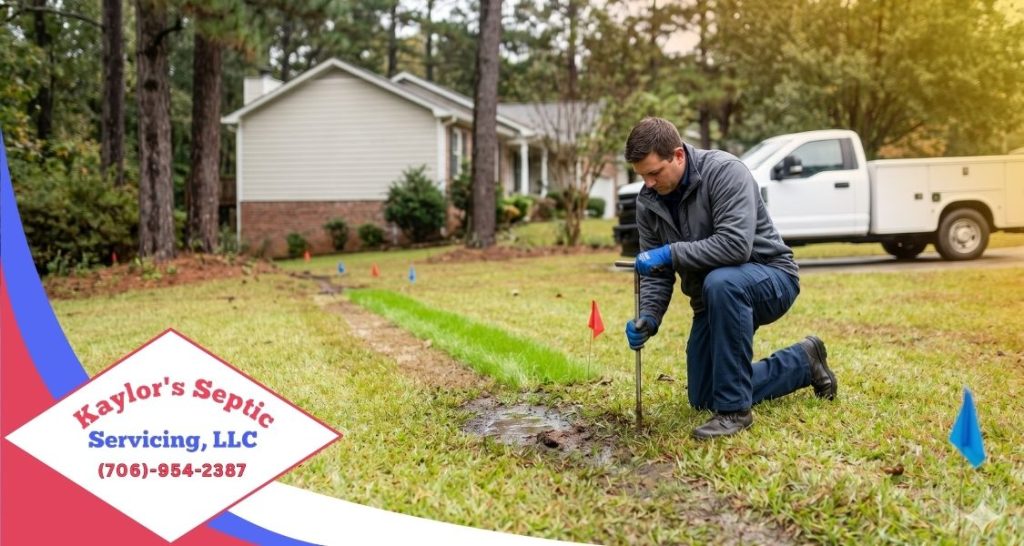
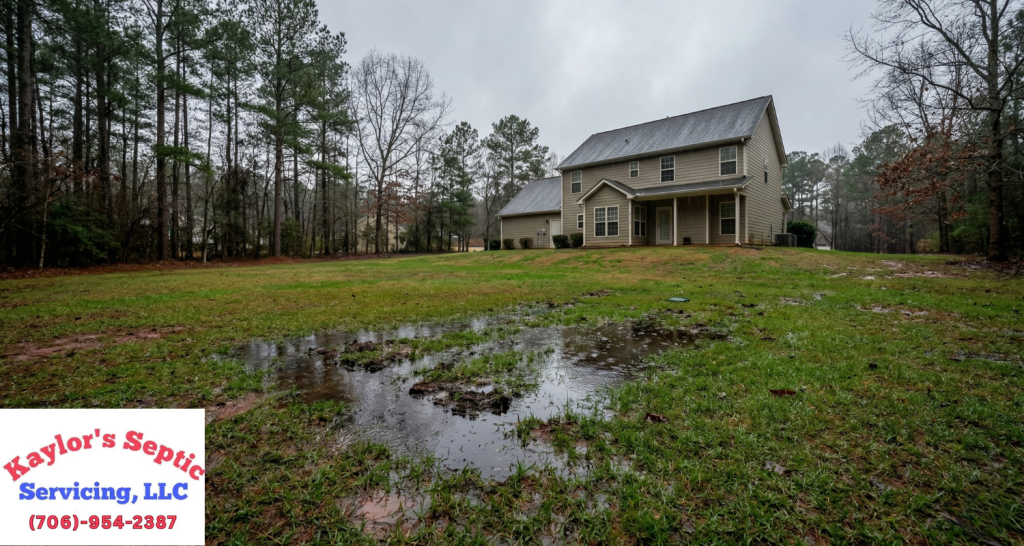
A drain field problem may show up as wet areas, odor, unusually green patches, or yard sections that stay soft longer than they should. It may also show up as a system that seems fine until heavier water use starts exposing the weakness.
This is one of the more expensive parts of a septic system to get wrong. If a drain field is already struggling, you want to know that before you own the problem.
4. Missing records or a mismatch between records and reality.
EPA says homeowners and buyers can often get permits, design drawings, and related septic records from the local permitting authority. EPA’s septic FAQ even points buyers toward the as-built design and permit history as a way to understand what is on the property.
If the records show one thing and the property appears to have something else, that is worth slowing down for. Record gaps do not always mean a system is failing, but they do raise the risk of surprises later.
5. Poor tank access that makes future service harder.
If the tank lid is buried deep, hard to access, or awkward to locate, that does not always kill the deal. It does matter, though, because difficult access tends to make routine service less convenient and more likely to be delayed.
Kaylor’s riser installation service exists for a reason. Easier access makes future inspections, pumping, and maintenance more practical. If a property would clearly benefit from a riser, that is useful to know before closing, not after your first emergency visit.
6. Evidence of repeated patchwork instead of real maintenance.
A system that has needed repeated stopgap fixes may still be running today, but that does not mean it is in strong condition. Temporary work, unresolved odors, recurring wet spots, or a pattern of “we had someone come out once” can be a warning that the buyer is inheriting deferred work.
A septic inspection before buying a home helps separate normal service history from signs that the property has been managed reactively instead of responsibly.
7. Cleaning or pumping that is needed immediately.
Some systems are not at the point of major repair, but they are already due for service. That still matters during a purchase because it affects what you should budget, what you should request, and what condition the system is actually in at closing.
Kaylor’s septic cleaning service and pumping work both fit naturally into this kind of situation. A buyer is better off knowing the service need up front than finding out only after moving in.
8. Water-use risks that the current system may not be handling well.
One thing buyers miss is how daily behavior changes system performance. A retired couple selling the house may have used the system very differently than a family of five about to move in. A house can appear stable under one occupancy pattern and start struggling under another.
That does not always mean the system is defective. It does mean the inspection should be read in context. Tank condition, maintenance history, and warning signs matter even more when the usage pattern is likely to change after closing.
9. A negotiation issue that should not be delayed until after closing.
Some inspection findings are small. Some are not. The point is not to panic at every defect. The point is to identify real cost, real risk, and real next steps while the contract still gives you room to respond.
A septic inspection before buying a home can uncover problems that justify pumping before closing, a repair credit, a service request, record follow-up, or a deeper review. That is a much better position than trying to chase down responsibility once the deed is in your name.
Septic Inspection Before Buying a Home Questions To Ask the Seller
A septic inspection before buying a home gets even more useful when you pair it with the right seller questions.
Ask when the tank was last pumped. Ask who serviced it. Ask whether there have been slow drains, backups, odors, wet spots, repairs, or field line issues. Ask whether the seller has permits, diagrams, pumping receipts, or inspection notes. Ask whether the property has had additions, heavy landscaping changes, or drainage changes that may affect the system.
You do not need the seller to know every technical detail. You do want enough information to spot missing history, vague answers, or signs that the system has been ignored.
If the answers are thin, that does not automatically kill the transaction. It does raise the value of a thorough inspection and record check before the deal moves forward.
What To Do After a Septic Inspection Before Buying a Home Finds a Problem
If a septic inspection before buying a home finds an issue, the next move depends on what was found.
Sometimes the right answer is routine service before closing. Sometimes it is a targeted repair. Sometimes it is getting more records and having the system evaluated further. Sometimes it is negotiating a credit because the work will need to happen after purchase.
The mistake is treating every septic issue the same way. A buried lid and overdue pumping are not the same thing as a failing drain field. A minor service need is not the same as evidence of long-term neglect.
This is where a local company has an advantage. Kaylor’s site makes it clear they are built around the actual work buyers and homeowners may need next: inspection and maintenance, pumping, service line repair, riser installation, and septic cleaning.
That matters because the best inspection is the one that leads to a clear next move, not just a vague warning.
When To Call Kaylor for a Septic Inspection Before Buying a Home
If you are serious about buying a property with septic, calling early for a septic inspection before buying a home is the safer move.
Kaylor’s site and about page position the company around inspections, repairs, upgrades, pumping, cleaning, and ongoing service, with owner Matthew Kaylor bringing more than 17 years of experience and the company serving commercial and residential customers across North Georgia. That makes this a practical fit for buyers who need more than a generic answer or a last-minute guess. ([kaylorseptic.com](https://kaylorseptic.com/about-us/))
Use the inspection window while it still protects you. If the home is in Bartow, Cherokee, Cobb, Floyd, Gordon, Paulding, Pickens, or the Canton area, you are already inside the territory Kaylor says it serves. ([kaylorseptic.com](https://kaylorseptic.com/))
If you are seeing missing records, unclear maintenance history, past backup signs, wet areas in the yard, or anything that makes the septic system feel like a question mark, do not leave that question for after closing.
A septic inspection before buying a home is one of the simplest ways to protect yourself from buying hidden septic trouble. Contact Kaylor Septic or call 706-954-2387 before closing so you can make the decision with better information, not assumptions.
Get the Septic System Checked Before You Close
If you are buying a home with septic in North Georgia, do not wait until move-in day to find out what was hiding underground. Get clearer answers on tank condition, maintenance history, and next-step service before the deal is final.